RFID Jewellery Tags: Piece IDs, Print & Inventory
Updated 2026-09-14
RFID jewellery tags associate a piece, matched set or package with a stock record through a small label and attachment area. Define that counting unit before choosing the printed code and RFID identifier. Select an HF or UHF design for the store’s reader, then review the label on actual jewellery, trays and displays. A fitted sample checks handling, visible information and the item IDs returned during counting.
- MOQ
- 1,000 pieces · standard baseline
- Lead time
- Confirm availability
- Samples
- Stock or custom
Confirm the selected construction, chip and customization.
Preparation and transport are scheduled separately.
Confirm availability, fees, freight and applicable credits.
- Project quote after chip, construction, encoding and quantity review
- Approve the configuration and applicable artwork or data before production
- Stock and custom sample terms are confirmed before shipment
Custom orders & samples
Connect each jewellery tag to the right item record.
Specify whether one tag identifies a piece, matched set or package, then choose the reading points and supply format. Attachment, visible print and RFID data should be approved with the actual jewellery and trays.
From your brief to a working sample
Separate SKU and item identity
Define the product SKU and the unique piece, set or package record. Provide the visible number or barcode format and the RFID mapping needed by your inventory and sales software.
Review attachment and presentation
Show how the proposed tail or loop attaches to the item. Check the label position, finish contact and handling on actual jewellery, including metal pieces, display fittings and packed trays.
Reconcile print, reads and transactions
Check the printed identifier against read-back RFID data. Trial known trays and checkout items, then confirm that sale, return and any retagging update the intended records in your system.
Selection & sample approval
Decide what staff should count and see on the label
Include with your request
- Define one piece, matched set or package per identifier, including how its unique ID relates to the shared SKU.
- Provide the label-face and attachment requirements, printed number or price layout, and acceptable contact with the jewellery.
- Identify the HF or UHF reader and normal tray, display or checkout setup, with quantities per design and destination.
Check on the sample
- Check attachment, price-label readability and handling on representative pieces.
- Count known sets in normal trays and displays, recording misses and nearby unwanted reads.
- Verify the printed ID and encoded ID mapping through sale, return and relabelling.
Spec Check
What to confirm before you sample this tag
Surface material, enclosure, attachment method, and environmental limits usually matter more than a broad tag name alone.
| Format | Label with selected tail, loop or attachment area; approve finished drawing |
| RF Configuration | Separate HF or UHF designs selected for the intended reader |
| Item Identity | Define one piece, set or package per identifier |
| Printing & Encoding | Approve price or stock ID, serial mapping and read-back data |
| Placement | Test jewellery metal, tray materials, spacing and reader orientation |
| Security | No automatic authentication or electronic tamper state from the label format |
| MOQ & Timing | Confirm size, chip, print and quantities per design in the quote |
Shortlist Logic
Why buyers shortlist this tag format
These features help teams decide whether the tag suits the environment, installation method, and read expectations of the real workflow.
Use Cases
Where this tag format usually works best
Use cases matter because the right tag depends on surface, environment, attachment, and read distance in the field.
Jewellery inventory
Piece or set identification
Jewellery stocktake trials
RFID Jewellery Tags Types
1Should each piece, set or package have its own ID?
Define the unit your inventory system counts. Several pieces can share a SKU while each needs a distinct item identifier. For a matched pair or set, decide whether one record represents the set or whether the components are tracked separately. Link the printed code and RFID data to that record, with clear rules for sale, return and relabelling.
2How should the label sit on the jewellery?
Provide a photo of the piece and the intended label face, tail or loop position. Check visible information, staff handling and contact with the product. Trial the selected HF or UHF construction in the normal tray or display, including jewellery metal and nearby pieces. For a package-level label on a larger available surface, compare the custom UHF sticker formats.
3What should a jewellery stocktake sample demonstrate?
Start with a known set and compare expected item IDs with the reader results in the actual display arrangement. Record missed pieces and unwanted reads from adjacent trays. Check that printed codes and RFID data resolve to the same stock records. Authentication or removal monitoring requires a separately defined workflow; compare tamper-evident labels when a seal response is part of the requirement.
How Ordering Works
From inquiry to delivered rfid jewellery tags in four steps
Agree the configuration, evaluation and release conditions for this order before planning a rollout.
- 1After spec review
Send your inquiry
Send the jewellery or packaging photo, counting unit, attachment and print layout, reader setup, ID mapping, quantity and delivery country.
- 2Terms confirmed
Count a known set in your display
Request the proposed label and chip, attach samples to representative pieces and check handling, print and IDs in the usual tray or display.
- 3You control the clock
Approve the label and piece-record mapping
Confirm the finished drawing, attachment, chip, printed code and RFID data through stocktake, sale, return and relabelling checks.
- 4Schedule confirmed for the selected label and data
Production & delivery
Request sample and production quantities per design, print and encoding scope, media format, packing, freight and timing.
Details in writing:sample policy ·shipping & Incoterms ·quality control process
Supplier Fit
Why buyers source RFID Jewellery Tags from RFIDAK
Once the format is right, most teams still need confidence in manufacturing control, sample support, and repeat-order reliability.
Company management-system scope and finished-product evidence are different. Review the certification scope.
RFID sourcing, specification review and production coordination with partner lines.
Test compatibility before bulk approval; stock and custom sample terms follow the published sample policy.
Next Reading
What to read before you lock the tag shortlist
These guides help buyers compare environments, tag formats, and mounting logic before they commit to the first sample plan.
Comparison Pages
Useful if you are still choosing between two directions
These head-to-head pages help buyers compare chip, frequency, material or format decisions before they lock a sample plan for this product.
Commercial Fit
How buyers usually move this product from shortlist to sample
Most inquiry-ready visitors want to know whether this product matches their workflow, region and approval stage. These cues help them move faster without leaving the product page.
Quote Checklist
What to send us for a faster recommendation
- Object, surface material, available mounting area and proposed attachment; include a non-sensitive installation photo or drawing.
- Reader model, protocol, installation region and the required checkpoint or reading zone.
- Temperature with duration, chemicals, pressure, cleaning and mechanical exposure over the actual process.
- Identifier format, print-to-chip mapping, sample quantities, production quantity and delivery destination.
Market Notes
Regional conversations often tied to this category
Nearby Options
Compare nearby tag formats before you narrow the shortlist
A similar tag can behave very differently once surface, enclosure, and installation method change, so it helps to keep close options visible.
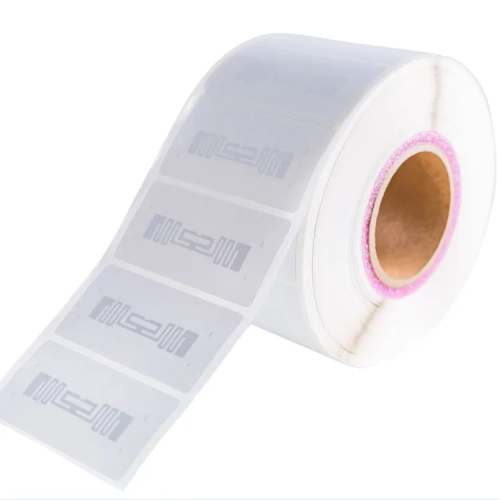
RFID Labels
Custom UHF RFID Sticker
Compare this option if label stock, read mode, or application surface may change the shortlist.
Compare this option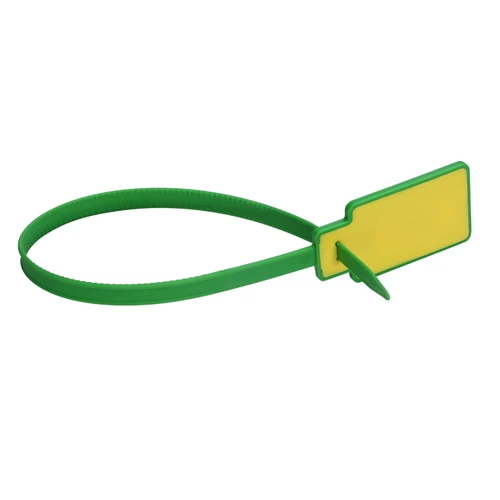
RFID Tags
RFID Cable Tie Tag
Compare this option if enclosure, mounting, or environment fit may change the better tag choice.
Compare this option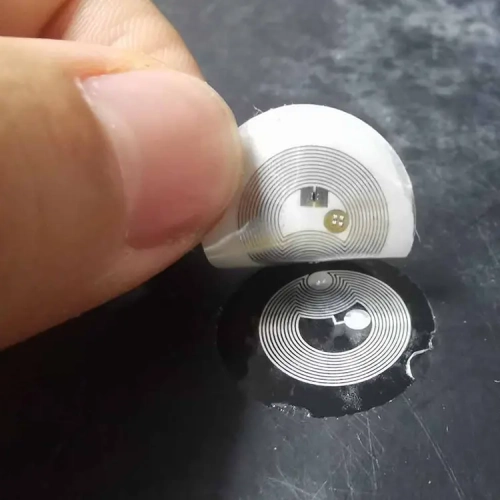
RFID Tags
Tamper Proof RFID Tag
Compare this option if enclosure, mounting, or environment fit may change the better tag choice.
Compare this optionBefore You Order
Procurement guides every RFID Tags buyer reads first
Five short reads on the procurement-side topics every B2B RFID buyer wants answered before signing a quote — MOQ thresholds, lead time reality, pricing transparency, sample policy, and how to audit a Chinese factory before your first order.
Buyer Questions
Questions buyers usually ask before sample approval
These FAQs cover the points that usually come up between a first shortlist and a real sample or quote request.
Should identical jewellery pieces share the same RFID ID?+
They may share a SKU, but separate piece-level inventory requires a distinct item identifier for each piece. Define how those IDs map to the SKU and printed code. A matched set may instead use one set record if that is the unit your system counts.
Should I choose HF or UHF jewellery tags?+
Start with the installed reader and counting or checkout workflow. HF and UHF are separate tag designs. Provide the equipment model and display arrangement, then trial the proposed construction with representative pieces before choosing the order configuration.
Will every piece in a jewellery tray be counted?+
Check a known set in the actual tray with the intended reader and placement. Jewellery metal, spacing and neighbouring tags are part of the trial. Compare expected and returned IDs to establish the result for that setup rather than assuming a complete tray count.
Does an RFID jewellery tag prove that an item is genuine?+
The tag supplies an identifier that your system associates with a record. The label format alone does not authenticate the jewellery. Any authenticity check needs a defined credential, verification process and reliable link between the tag and item.