RFID Nail Tags for Timber & Wooden Asset Tracking
Updated 2026-09-14
RFID nail tags use a pointed housing to place an identifier in timber or another approved host material. Select the housing from a drawing, then agree how it will be inserted and retained at the required depth. LF, HF and UHF are separate configurations matched to the intended reader. A sample installed in representative wood lets you check the fitting, material condition and returned asset ID together.
- MOQ
- 1,000 pieces · standard baseline
- Lead time
- Confirm availability
- Samples
- Stock or custom
Confirm the selected construction, chip and customization.
Preparation and transport are scheduled separately.
Confirm availability, fees, freight and applicable credits.
- Project quote after chip, construction, encoding and quantity review
- Approve the configuration and applicable artwork or data before production
- Stock and custom sample terms are confirmed before shipment
Custom orders & samples
Plan the nail tag installation around your wood.
Identify the wooden asset, proposed insertion method and reader frequency. Share the wood condition and installation equipment; direct insertion is a request to review, with the method and depth approved for the selected housing.
From your brief to an installed sample
Describe the wood and fitting
Send the wood type, moisture condition, available depth and nearby fasteners. Include the proposed position and any prepared-hole dimensions.
Agree a controlled insertion method
Provide the installation tool and intended procedure. Confirm preparation, insertion depth and force control with the offered housing, then inspect the wood and tag after fitting.
Read the installed asset
Use the intended reader to check samples at the fitted depth and normal reading positions. Confirm the asset record and repeat checks after the agreed handling or moisture exposure.
Selection & sample approval
Choose the fitting around your timber or wooden asset
Include with your request
- Describe the timber or host material, available insertion depth and intended tag position, including nearby fasteners.
- Request the housing drawing and agree hole preparation, insertion tool and retention for that material.
- Provide the reader model, reading position and asset-ID requirements, with quantities and destination.
Check on the sample
- Inspect the housing and host material after the agreed insertion procedure.
- Read at the intended installed depth, direction and reader position.
- Check retention and RF response after representative moisture and handling exposure.
Spec Check
What to confirm before you sample this tag
Surface material, enclosure, attachment method, and environmental limits usually matter more than a broad tag name alone.
| Form | Nail-shaped plastic housing |
| Dimensions | Select a catalog housing and approve its head, shaft, length and tolerance drawing |
| RF Configuration | Separate LF, HF or UHF variants; not a default tri-frequency tag |
| Installation | Insertion tool, hole preparation, depth and retention subject to the host-material trial |
| Identification | Confirm chip protocol and identifier format with the reader system |
| Durability | Agree moisture, handling and retention tests for the installed assembly |
| MOQ & Timing | Confirm the selected housing and chip quantities in the quote |
Shortlist Logic
Why buyers shortlist this tag format
These features help teams decide whether the tag suits the environment, installation method, and read expectations of the real workflow.
Use Cases
Where this tag format usually works best
Use cases matter because the right tag depends on surface, environment, attachment, and read distance in the field.
Timber identification
Wooden asset identification
Embedded identification in approved host materials
RFID Nail Tag Types
1How should a nail tag be installed in timber?
Agree the installation method for the chosen housing and timber. The sample plan should define any prepared hole, insertion tool, depth and retention check. Inspect both the tag and surrounding wood after insertion, then read from the intended working position. For a prepared cavity needing a cylindrical enclosure, compare the mini bullet tag.
2Which housing dimensions should the quote confirm?
Request a drawing showing the head, shaft, overall length and tolerances, together with the intended installed depth. Include nearby edges, fasteners and any later cutting or finishing operations. A photograph is a shape reference, not a dimensional approval. Compare the surface-mounted pallet tag when the wooden asset offers an accessible flat mounting area instead.
3How is the nail tag linked to a timber or asset record?
Read the identifier after installation and associate it with the correct item in your system. Define what happens to that record when the timber is cut, the asset is repaired or the tag is replaced. Select LF, HF or UHF using the actual reader and data requirements, then confirm the complete identification workflow with installed samples.
How Ordering Works
From inquiry to delivered rfid nail tag in four steps
Agree the configuration, evaluation and release conditions for this order before planning a rollout.
- 1After spec review
Send your inquiry
Send the timber or asset details, mounting photo, available depth, reader model, ID requirements, quantity and delivery country.
- 2Terms confirmed
Check insertion in representative material
Request the proposed housing and chip, then trial the agreed preparation and insertion method on a sample of your timber or asset.
- 3You control the clock
Approve the drawing and installed result
Confirm the head and shaft drawing, insertion depth, retention method, chip and item-record mapping after the sample check.
- 4Schedule confirmed for the chosen housing and chip
Production & delivery
Request sample and production quantities, identification preparation, packing, freight and timing in the quote.
Details in writing:sample policy ·shipping & Incoterms ·quality control process
Supplier Fit
Why buyers source RFID Nail Tag from RFIDAK
Once the format is right, most teams still need confidence in manufacturing control, sample support, and repeat-order reliability.
Company management-system scope and finished-product evidence are different. Review the certification scope.
RFID sourcing, specification review and production coordination with partner lines.
Test compatibility before bulk approval; stock and custom sample terms follow the published sample policy.
Next Reading
What to read before you lock the tag shortlist
These guides help buyers compare environments, tag formats, and mounting logic before they commit to the first sample plan.
Comparison Pages
Useful if you are still choosing between two directions
These head-to-head pages help buyers compare chip, frequency, material or format decisions before they lock a sample plan for this product.
Commercial Fit
How buyers usually move this product from shortlist to sample
Most inquiry-ready visitors want to know whether this product matches their workflow, region and approval stage. These cues help them move faster without leaving the product page.
Quote Checklist
What to send us for a faster recommendation
- Object, surface material, available mounting area and proposed attachment; include a non-sensitive installation photo or drawing.
- Reader model, protocol, installation region and the required checkpoint or reading zone.
- Temperature with duration, chemicals, pressure, cleaning and mechanical exposure over the actual process.
- Identifier format, print-to-chip mapping, sample quantities, production quantity and delivery destination.
Market Notes
Regional conversations often tied to this category
Nearby Options
Compare nearby tag formats before you narrow the shortlist
A similar tag can behave very differently once surface, enclosure, and installation method change, so it helps to keep close options visible.
RFID Tags
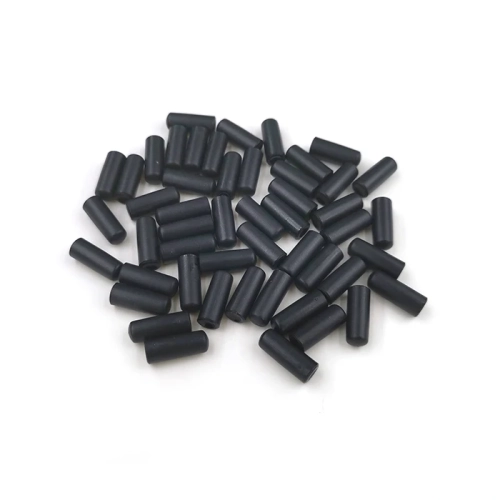
Mini RFID Tag in Bullet Shape
Compare this option if enclosure, mounting, or environment fit may change the better tag choice.
Compare this option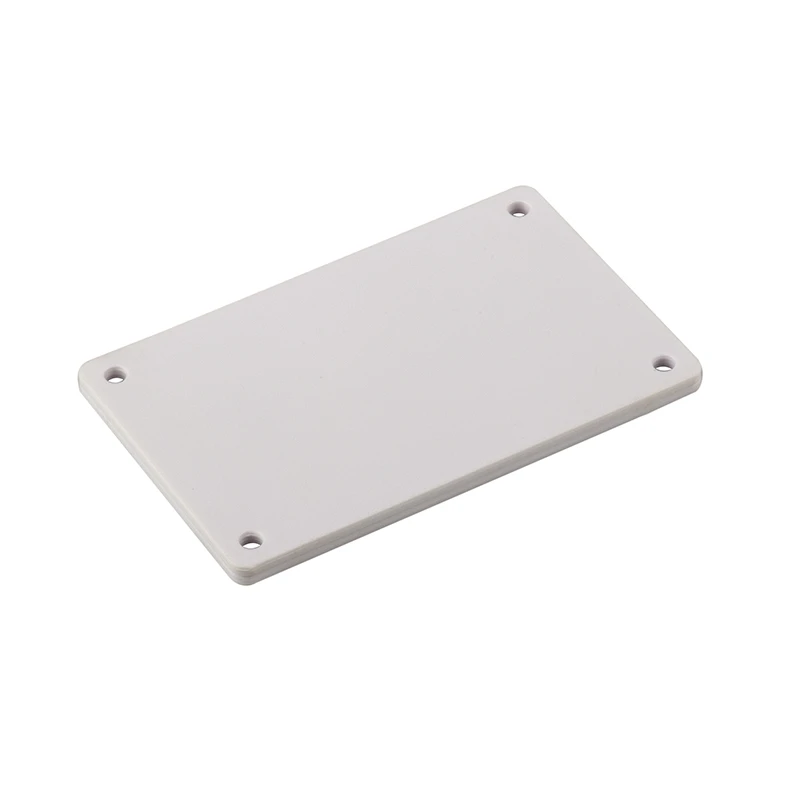
RFID Tags
Pallet RFID Tag
Compare this option if enclosure, mounting, or environment fit may change the better tag choice.
Compare this option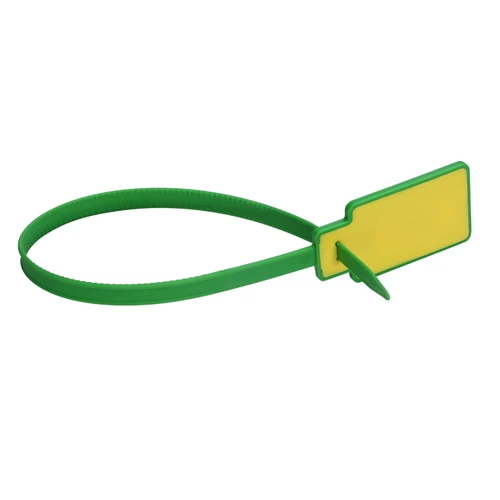
RFID Tags
RFID Cable Tie Tag
Compare this option if enclosure, mounting, or environment fit may change the better tag choice.
Compare this optionBefore You Order
Procurement guides every RFID Tags buyer reads first
Five short reads on the procurement-side topics every B2B RFID buyer wants answered before signing a quote — MOQ thresholds, lead time reality, pricing transparency, sample policy, and how to audit a Chinese factory before your first order.
Buyer Questions
Questions buyers usually ask before sample approval
These FAQs cover the points that usually come up between a first shortlist and a real sample or quote request.
What are the dimensions of the RFID nail tag?+
Request the drawing for the proposed housing, including head, shaft, length and tolerances. This page does not provide a verified dimensioned model catalog. Approve the selected outline and installed depth before ordering.
Can I hammer the RFID nail tag directly into any wood?+
Use the installation method agreed for the selected housing and host material. Confirm whether a prepared hole is needed, which tool is used and the permitted insertion depth. Trial representative wood and inspect for tag damage, splitting and retention.
Is the nail tag an LF, HF or UHF product?+
Separate LF, HF and UHF configurations can be specified for this housing family. Select the exact chip and protocol from the reader and application requirements; the tag is not supplied as a default three-frequency device.
What should I test before tagging a timber batch?+
Check insertion, retention and the condition of the surrounding timber, then read the fitted tags at the intended depth and direction. Include representative moisture, handling and nearby metal, and verify that each identifier is associated with the correct item record.